Pet Food Hero App Creation
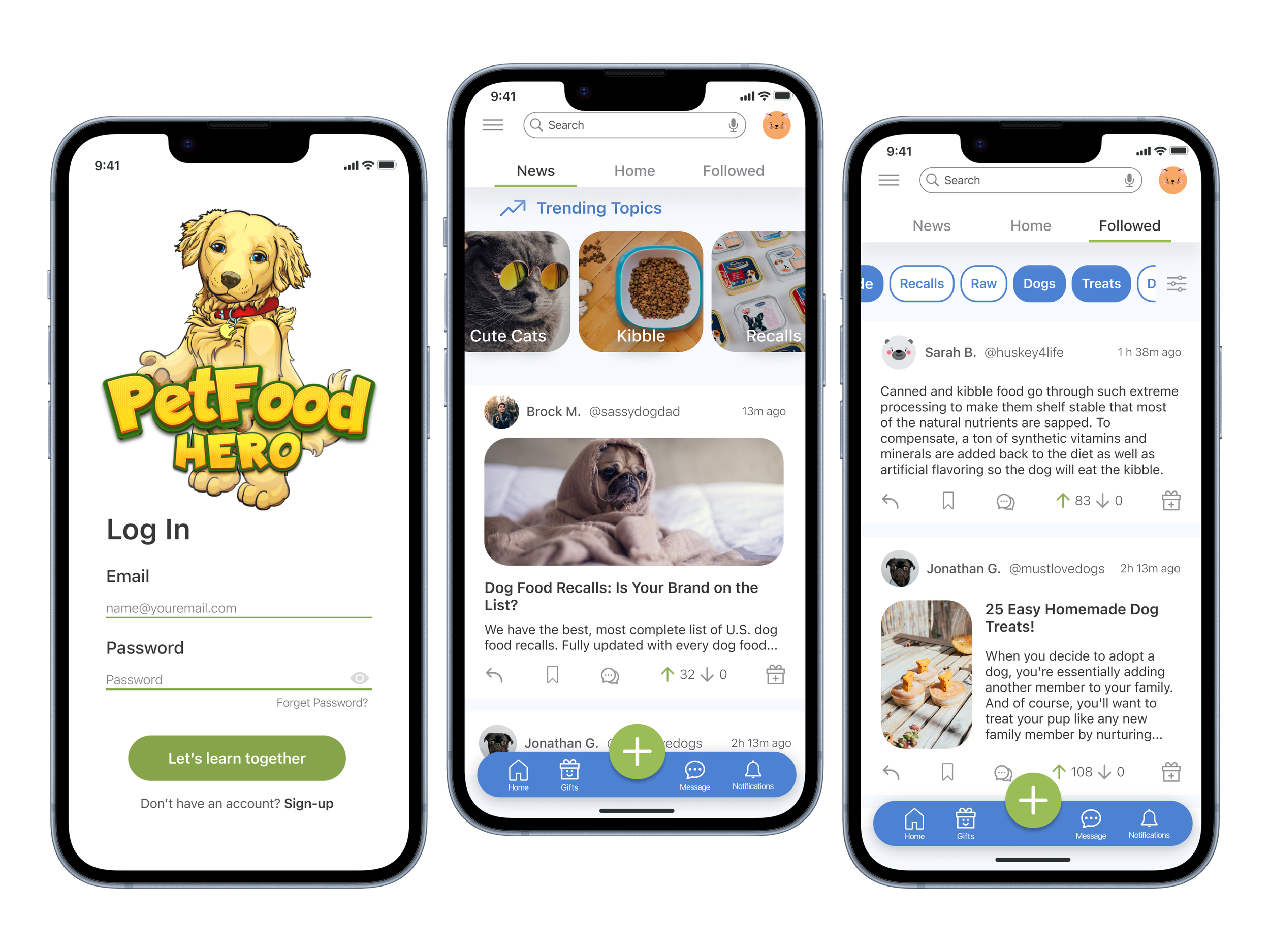
Americans spent $126 billion on their pets in 2021 — yet the industry guiding those decisions is riddled with outdated standards, unreliable nutritional guidance, and widespread misinformation. Pet owners deserve better. I partnered with Hero's Pets and Solutions Pet Products, a Colorado-based pet food retailer and food company, to design a community-driven platform that puts honest, high-quality information directly in the hands of pet owners.
CLIENT: Hero’s Pets, Littleton, CO
ROLE: Lead Designer - owning strategy, research, UX/UI design, personalization, testing, and vision from discovery through delivery.
DELIVERABLES: End-to-end product design
YEAR: 2022
__ Problem
The pet food industry is largely unregulated — with no FDA pre-market approval required, questionable ingredients in major brands, and veterinarians trained in medicine, not nutrition. Pet owners are left navigating a fragmented, unreliable landscape, turning to friends and family for answers that should be readily available. There is a critical gap between what consumers need to know and what they can actually access.
__ Goals
Goal #1
Identify key user needs and barriers to access to high-quality pet food information.
Goal #2
Design a scalable community platform centered on pet health, wellness, and education.
Goal #3
Expand Hero's Pets' and Solution’s Pet Products’ reach by connecting like-minded, health-conscious pet owners.
__ Discovery
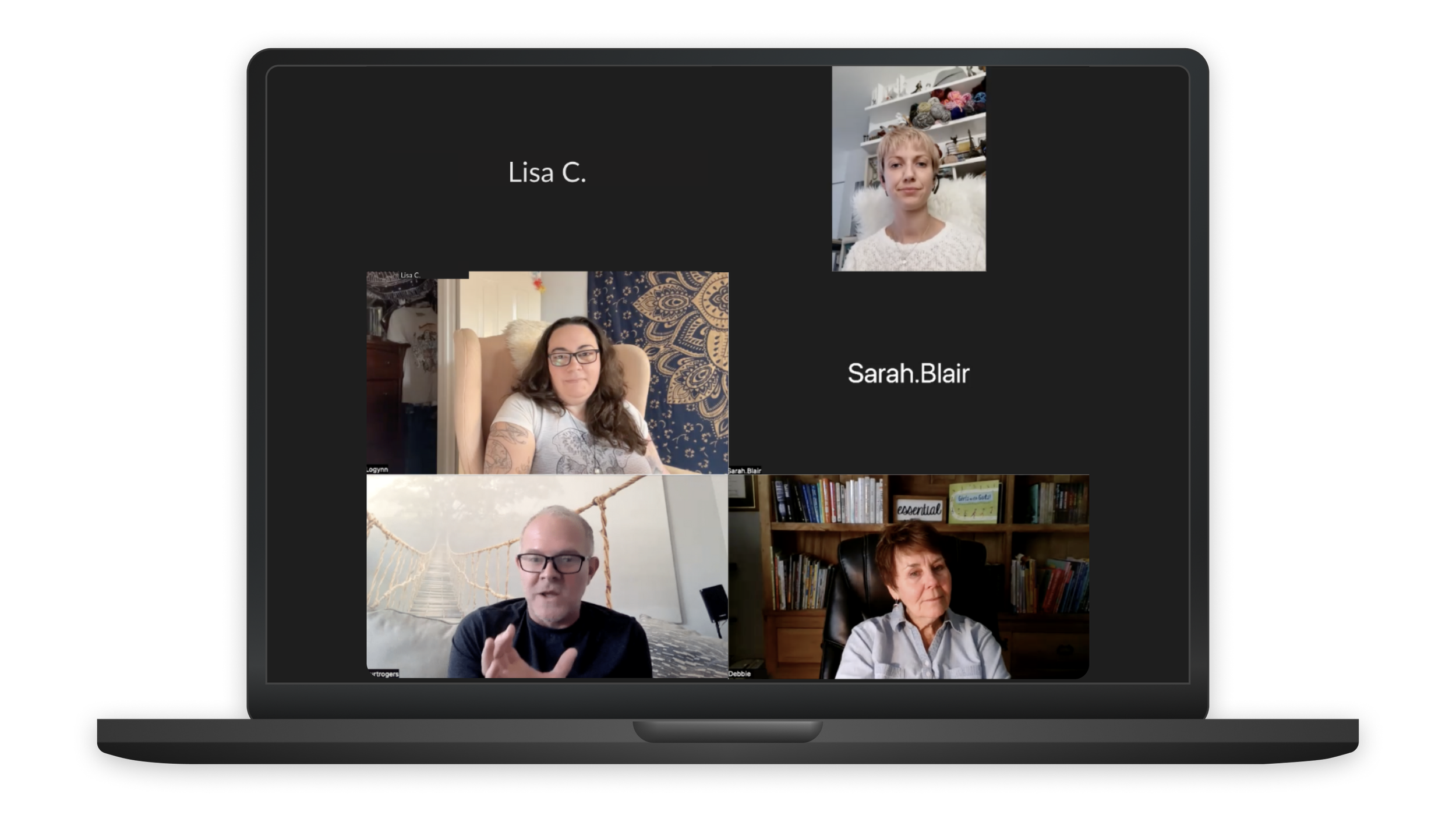
User Interviews
The interviews were structured around four core lines of enquiry:
How are consumers currently sourcing and evaluating information on dog and cat food brands?
What factors carry the most weight in food selection decisions?
What role do veterinary professionals and peer communities play in shaping those decisions?
Where are the most significant information gaps — what are owners actively trying to find, but struggling to access?
__ Synthesis
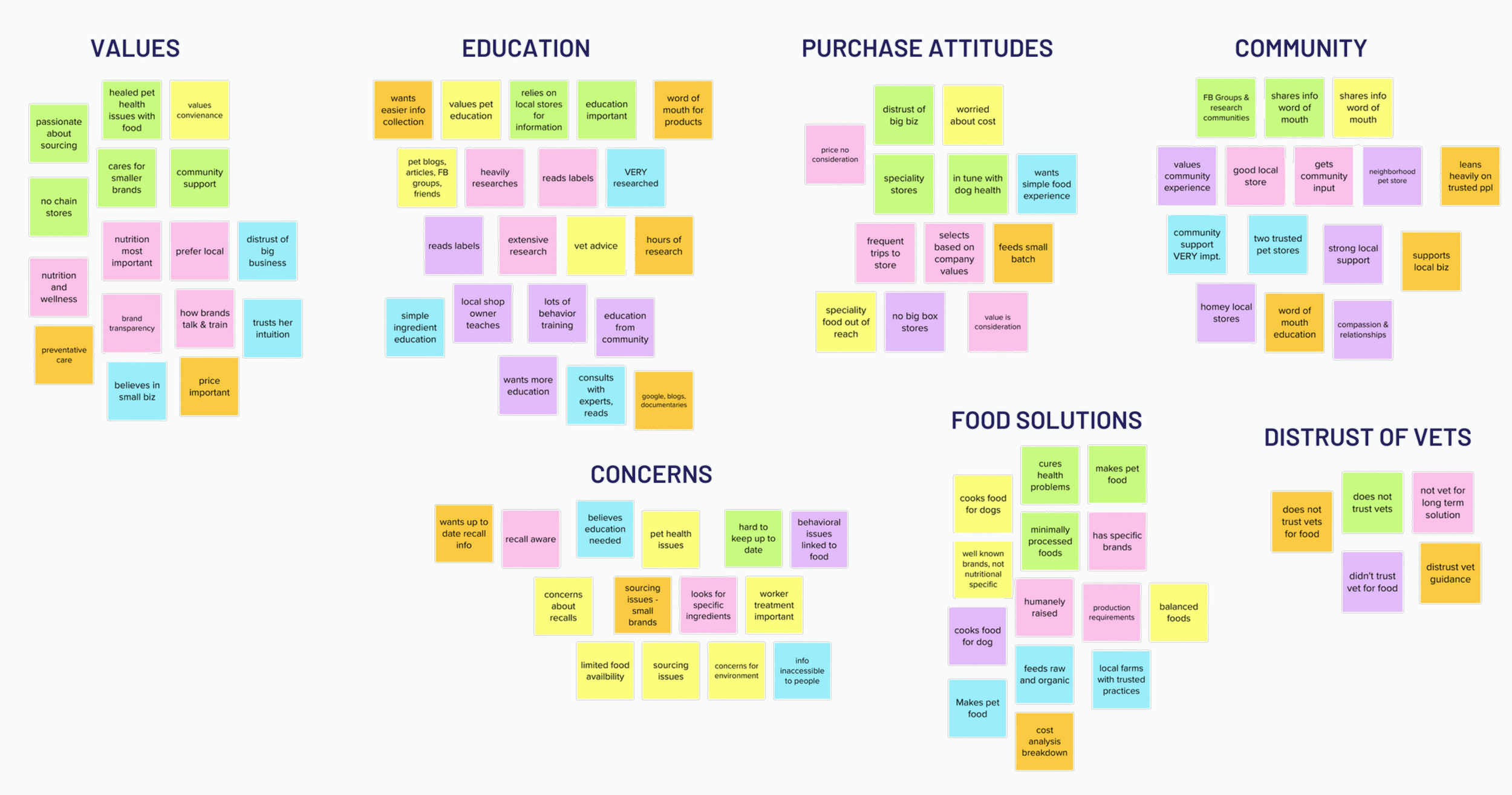
Affinity Mapping
With research and interviews complete, I moved into synthesis. Using affinity mapping, I clustered insights by theme to surface patterns across the data and identify the pain points most consistently experienced by users.
Empathy Mapping
From the affinity map, two distinct user types emerged. I developed empathy maps for each, moving beyond surface behaviours to examine the underlying motivations, feelings, and thought patterns driving their decisions.
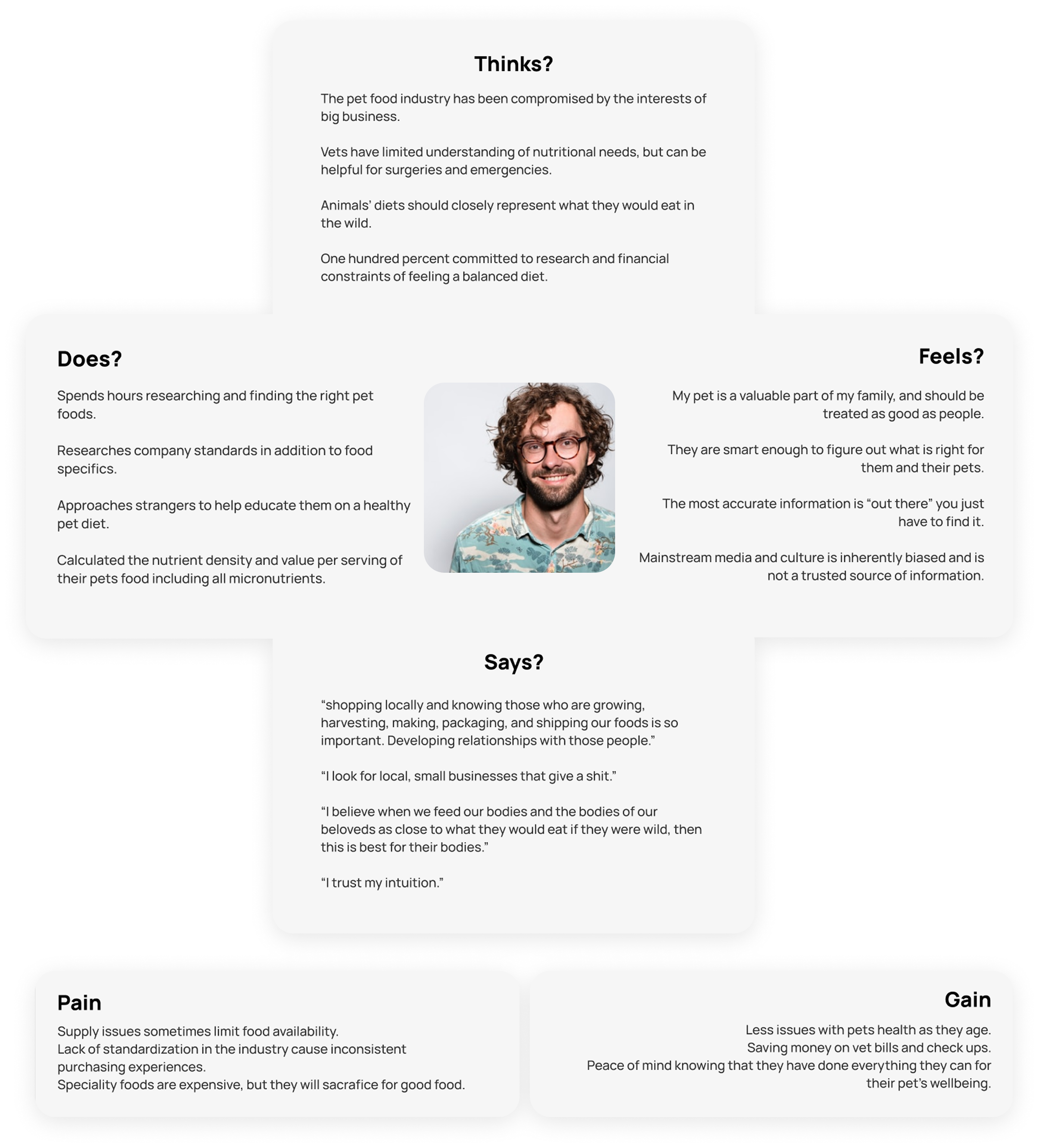
Nutritionally minded pet food purchases
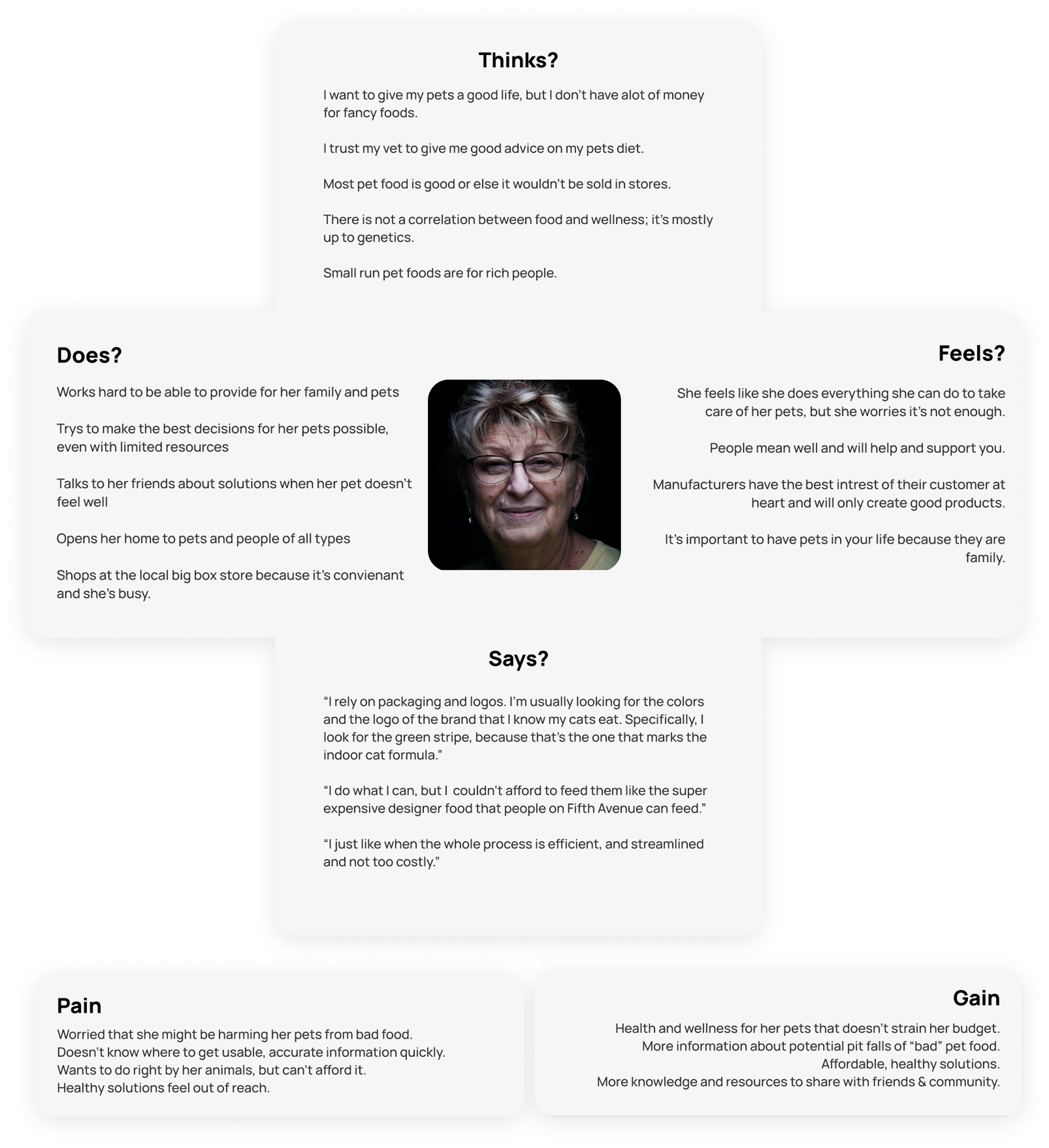
Price and convenience based pet food purchases
User Personas
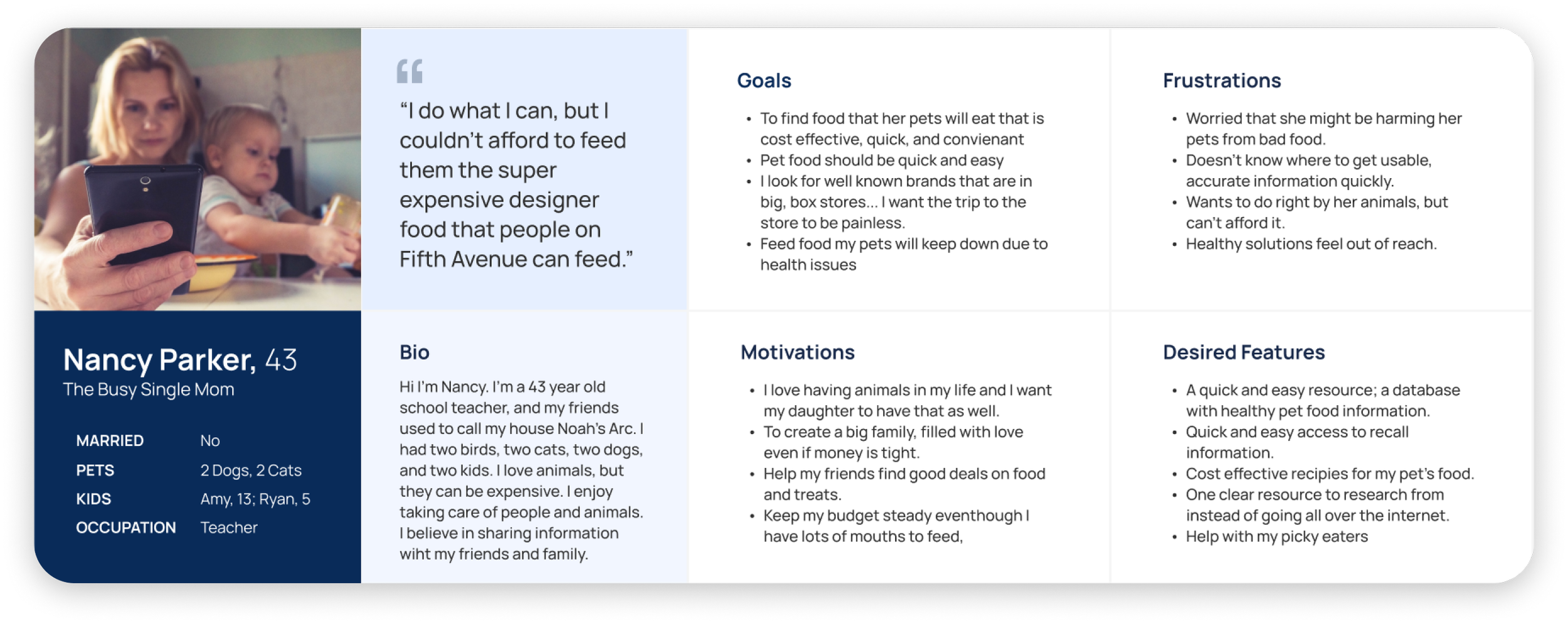
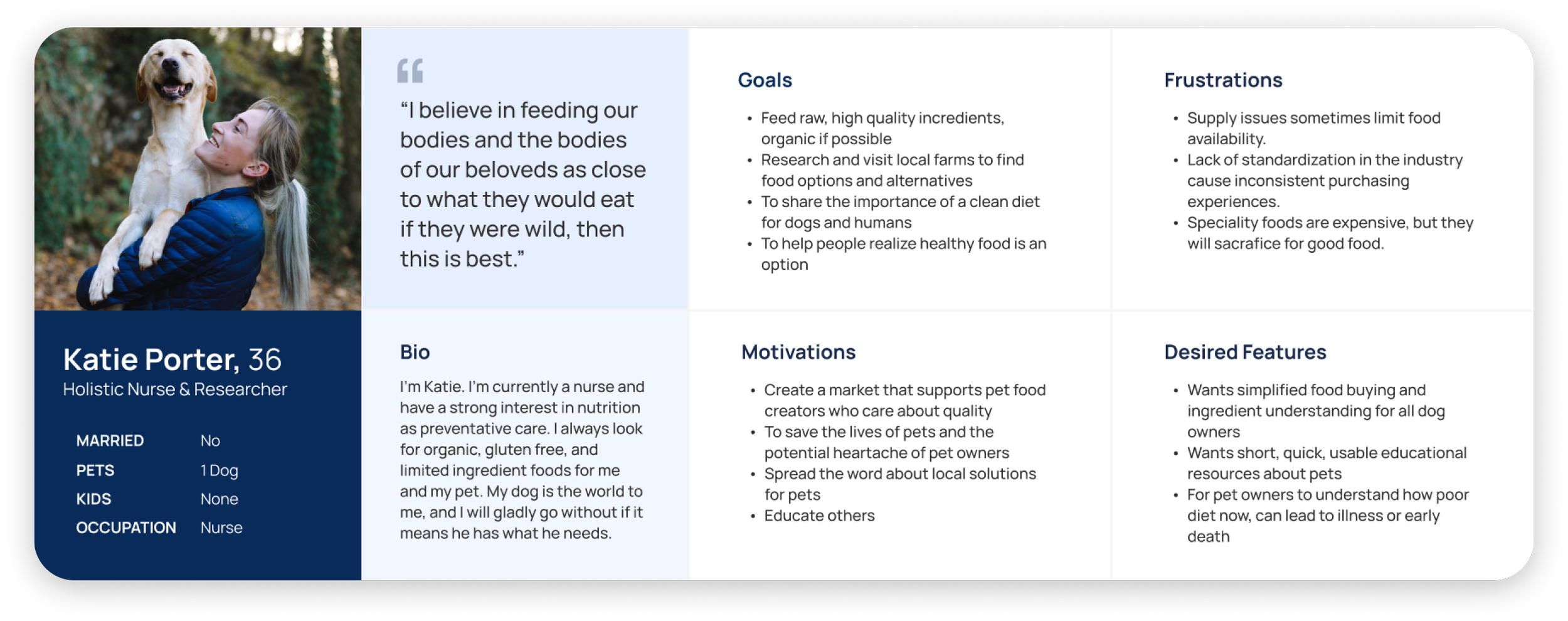
Those empathy maps then informed the creation of two detailed user personas — grounding the design process in a precise, human understanding of the people the product was being built for.
Persona 1: Loves their pets, but has limited resources and information. Feels healthy food is out of reach.
Persona 2: Highly educated, well researched pet owner. Up to date on industry, ingredients, and nutrition.
How Might We…
How might we create a trustworthy alternative to vet food recommendations?
How might we make nutritious pet food approachable for pet owners?
How might we develop a sense of community with reliable nutritional information?
How might we educate the public regarding pet food nutrition, product quality, and recipe information?
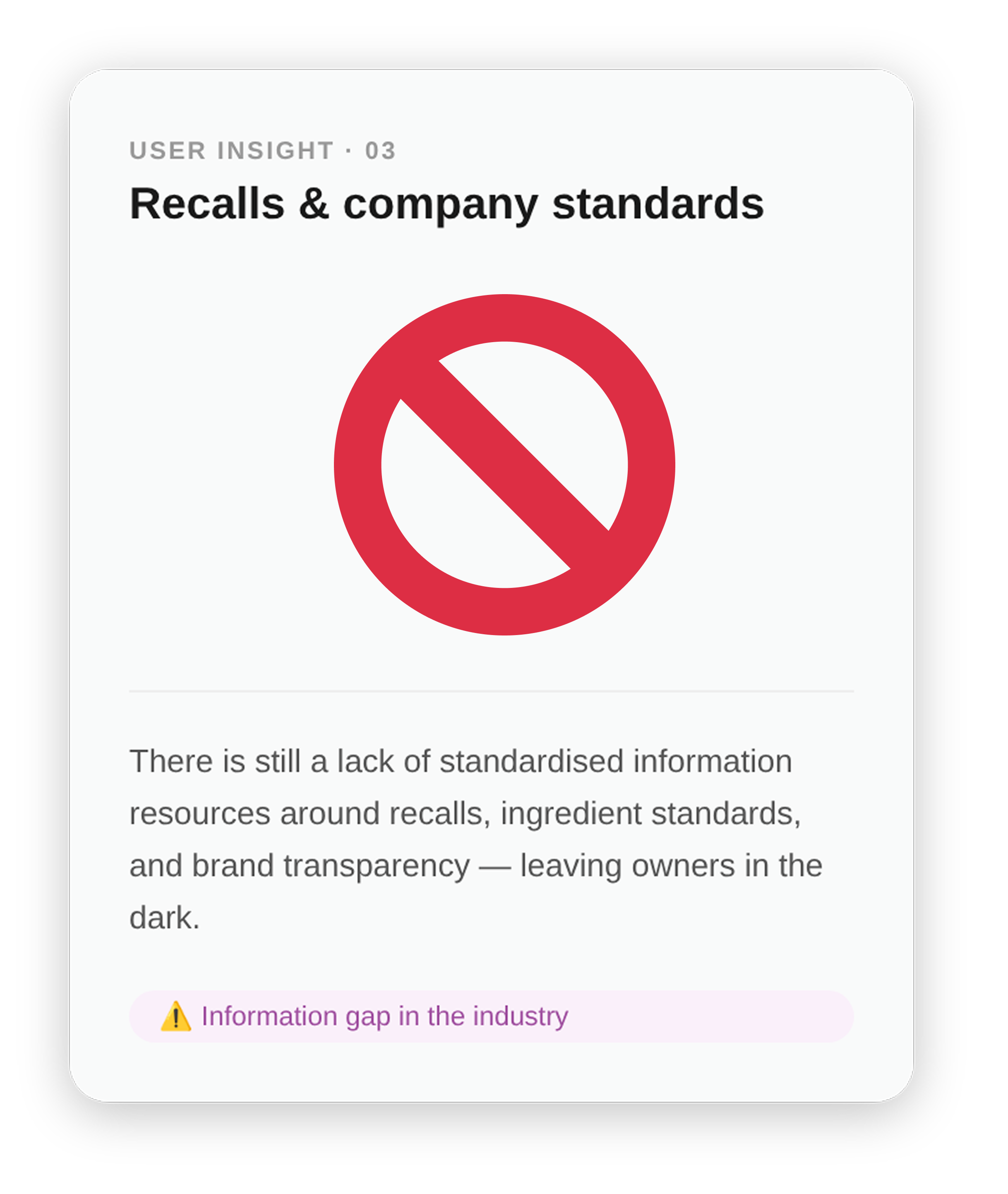
How might we disseminate information about food recalls, contaminants, and company practices?
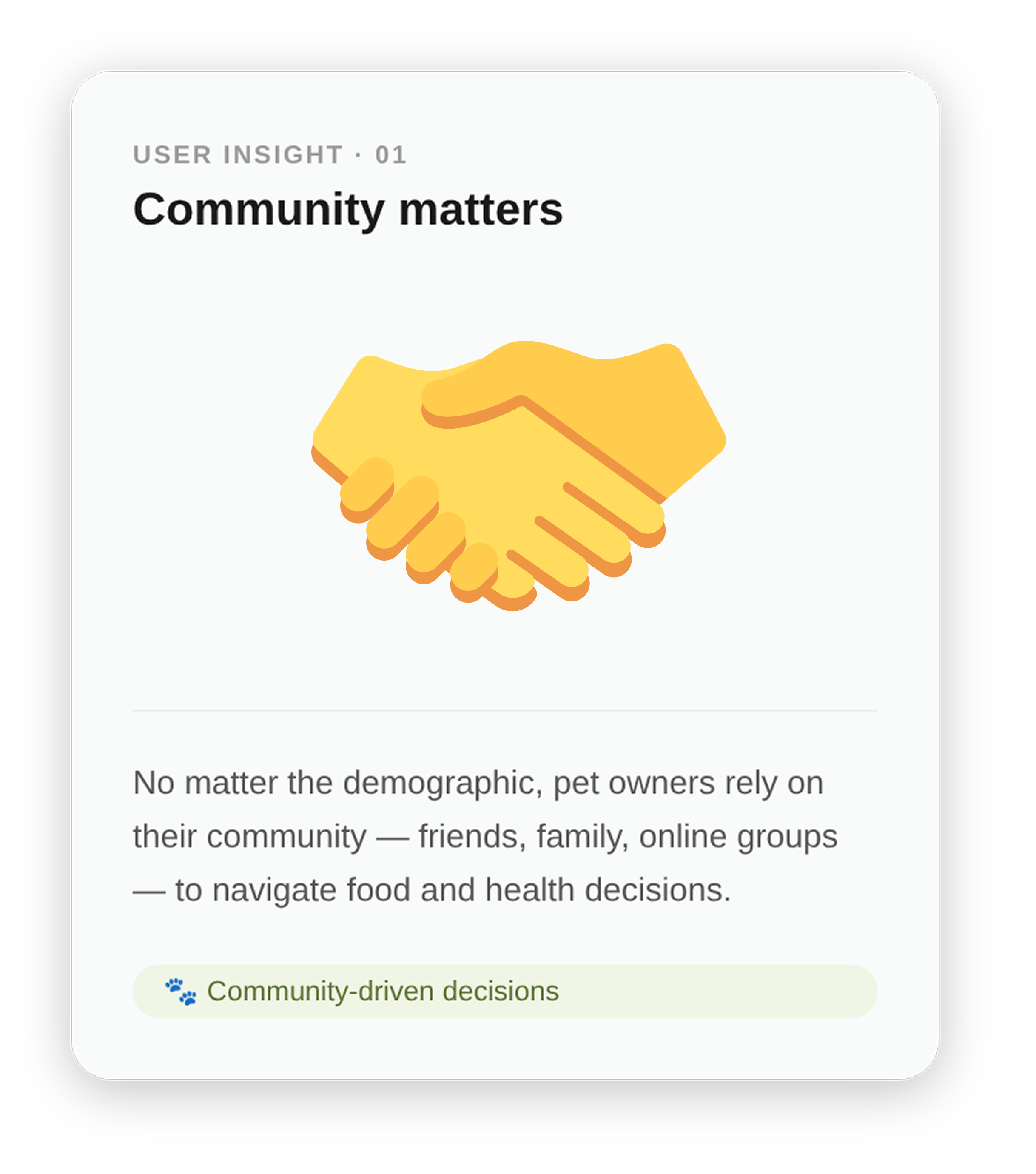
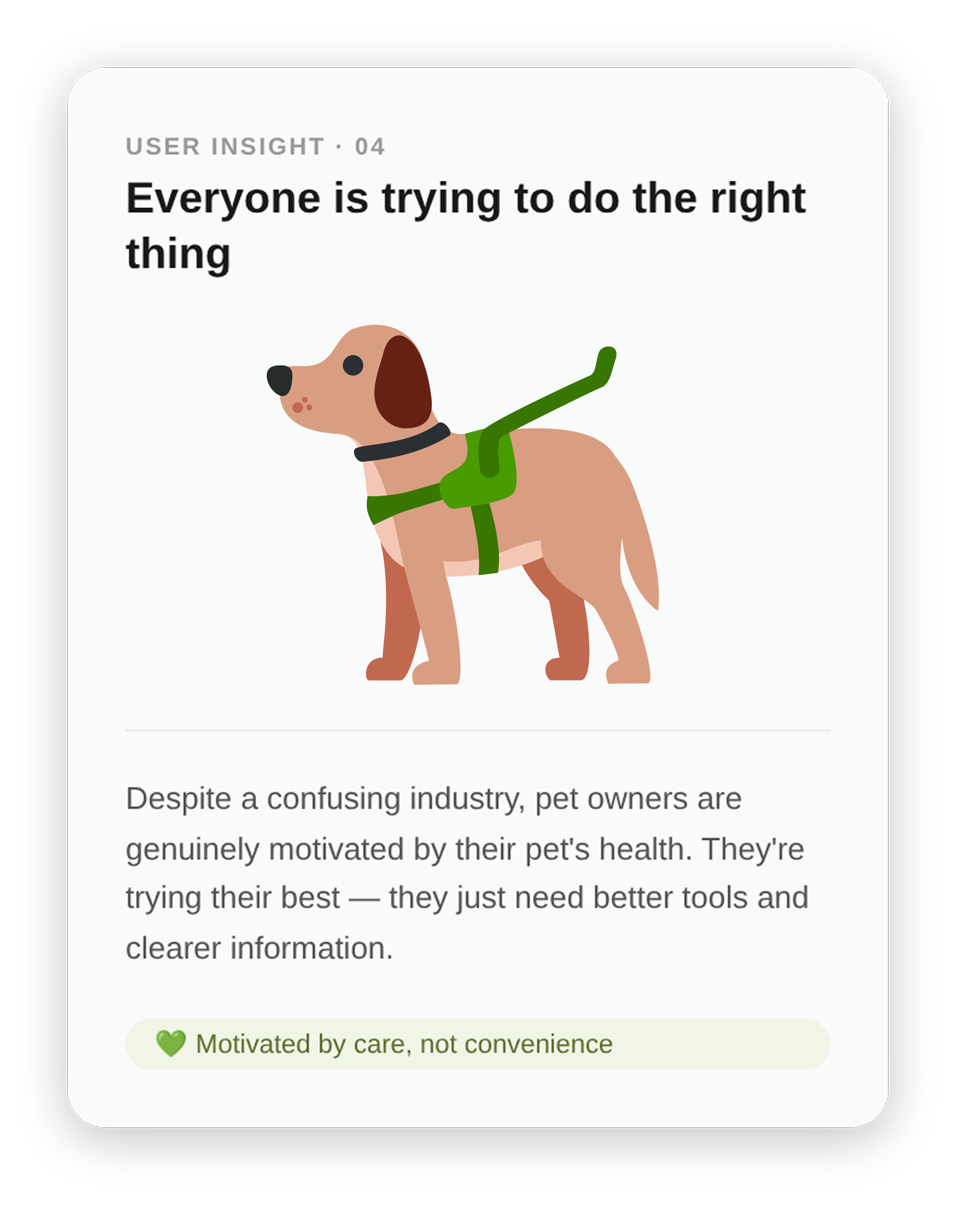
User Insights + Pain Points
__ Ideation
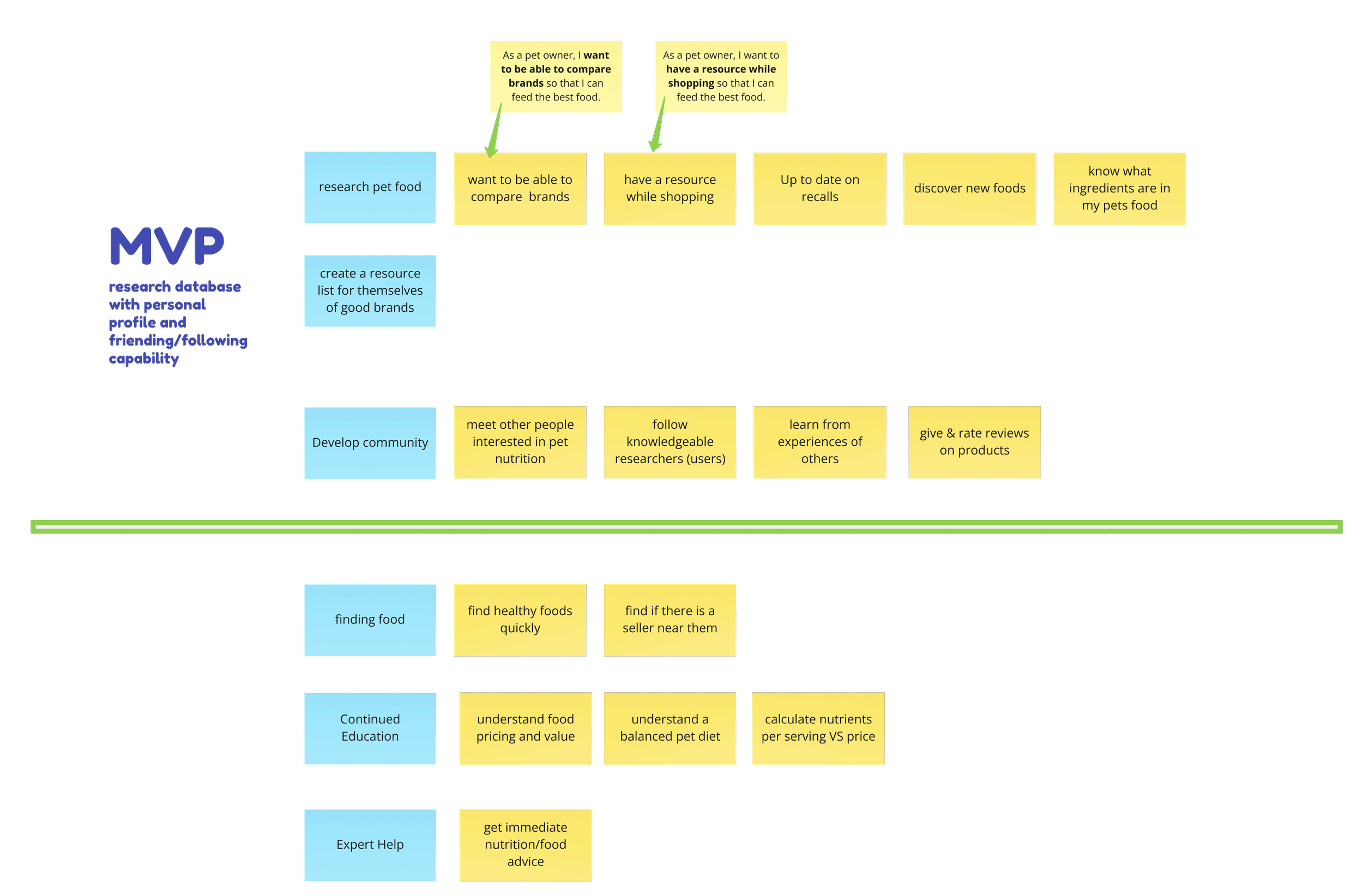
Defining MVP
Entering the define stage with a thorough understanding of user pain points meant I could generate solutions grounded in real need rather than assumptions.
The challenge at this stage was prioritisation. The opportunity space was wide, and the ideas numerous. To maintain focus and ensure deliverables remained feasible, I scoped the project around a Minimum Viable Product.
Defining an MVP allowed me to phase development thoughtfully — balancing technical economy with usability, and ensuring the product remained coherent and unintimidating for both end users and project stakeholders.
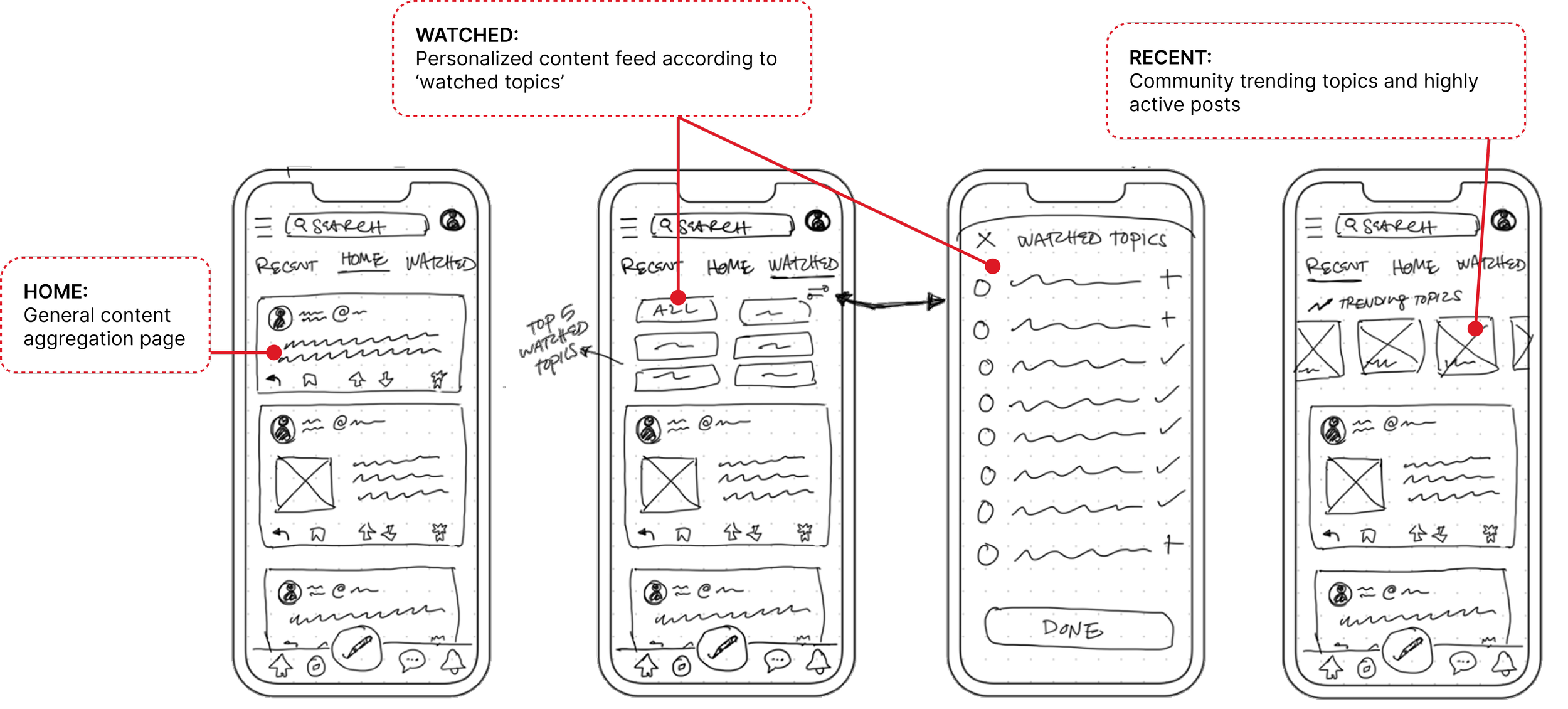
Initial Sketches
I wanted to get ideas to paper quickly to offer a visual representation of the direction and feel of the product. This facilitated exploration into the different touchpoints and interactions we could introduce, all while ensuring project alignment throughout the process.
The goal was not simply to design a functional product, but to create something that felt like a natural extension of the communities users already relied on. A space where uncertainty was welcomed, questions were encouraged, and the exchange of information felt as organic as it would among trusted peers.
__ Wireframes
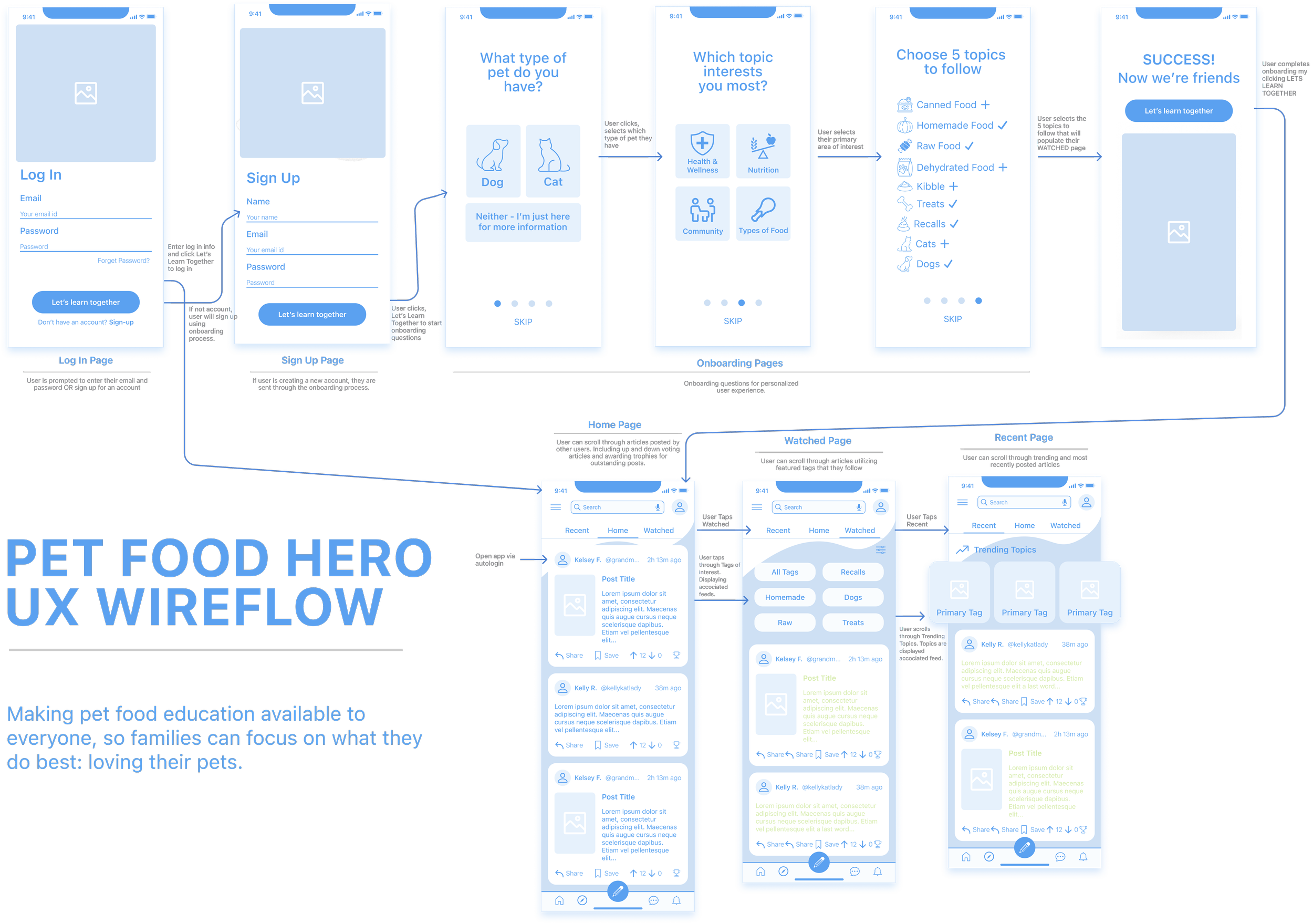
I focused on creating wireframes that balanced clarity, usability, and trust. Guided by insights gathered through early research and concept testing, the experience was structured to help pet owners quickly access reliable nutrition information while feeling supported throughout their journey.
Supporting wireflows were developed alongside the wireframes to communicate key user pathways, validate functionality, and establish a clear vision for how users would navigate and engage with the Pet Food Hero platform.
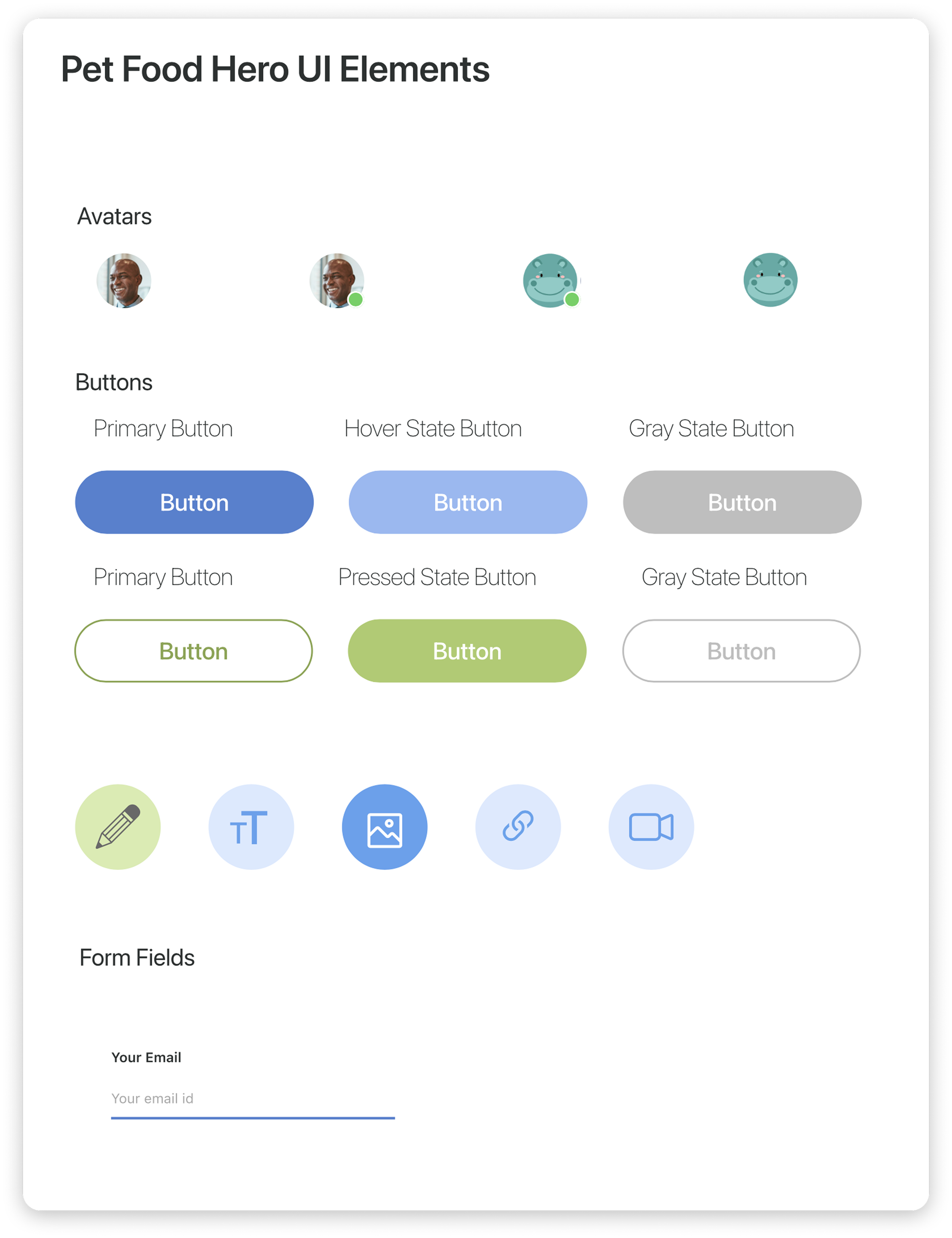
__ Design System
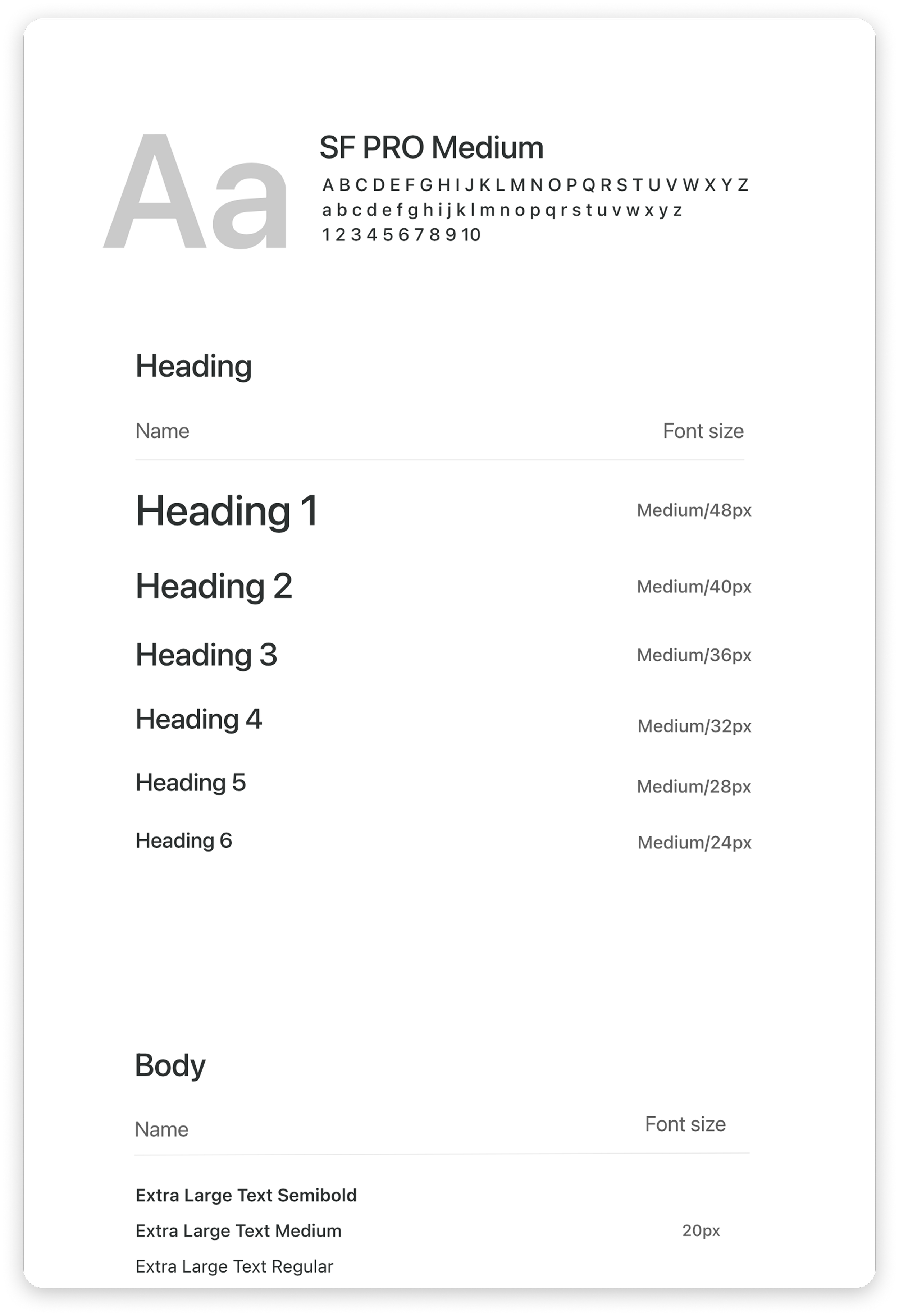
Mission Development
Pet Food Hero empowers pet owners with accessible, trustworthy nutrition education so they can make informed decisions and focus on what matters most: caring for their pets.
Built around research-driven insights, current information, and community support, the platform serves as a reliable resource for families navigating the complexities of pet nutrition with confidence and clarity.
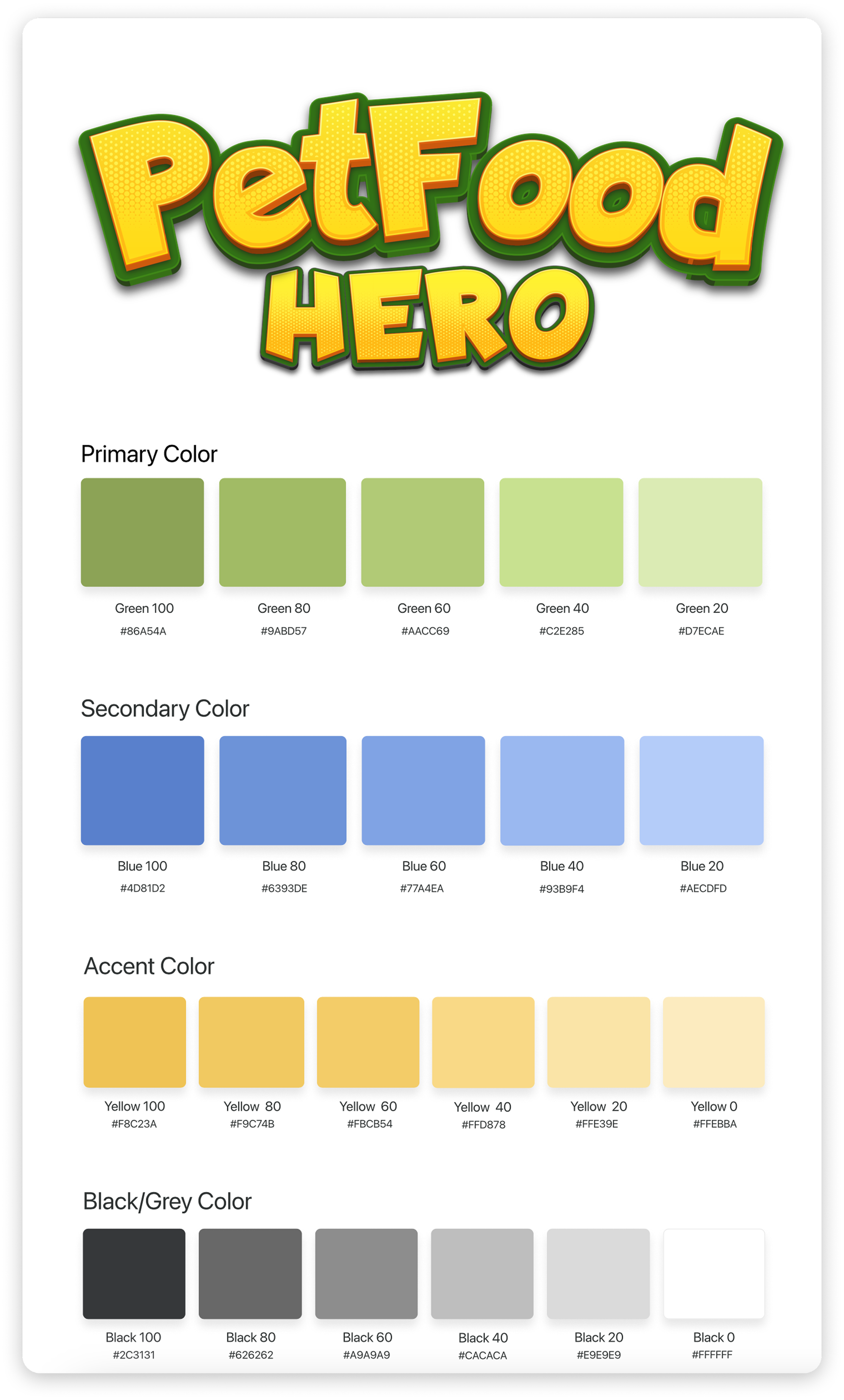
Brand Development
Pet Food Hero embodies the qualities people value most in their pets: spirited, loyal, approachable, and energetic. At the same time, the brand is grounded in empathy, honesty, and expertise—offering guidance that is both compassionate and credible.
This personality direction was intentionally crafted to foster trust and emotional connection while reinforcing the brand’s commitment to supporting the long-term wellbeing of pets and their owners.
__ High Fidelity
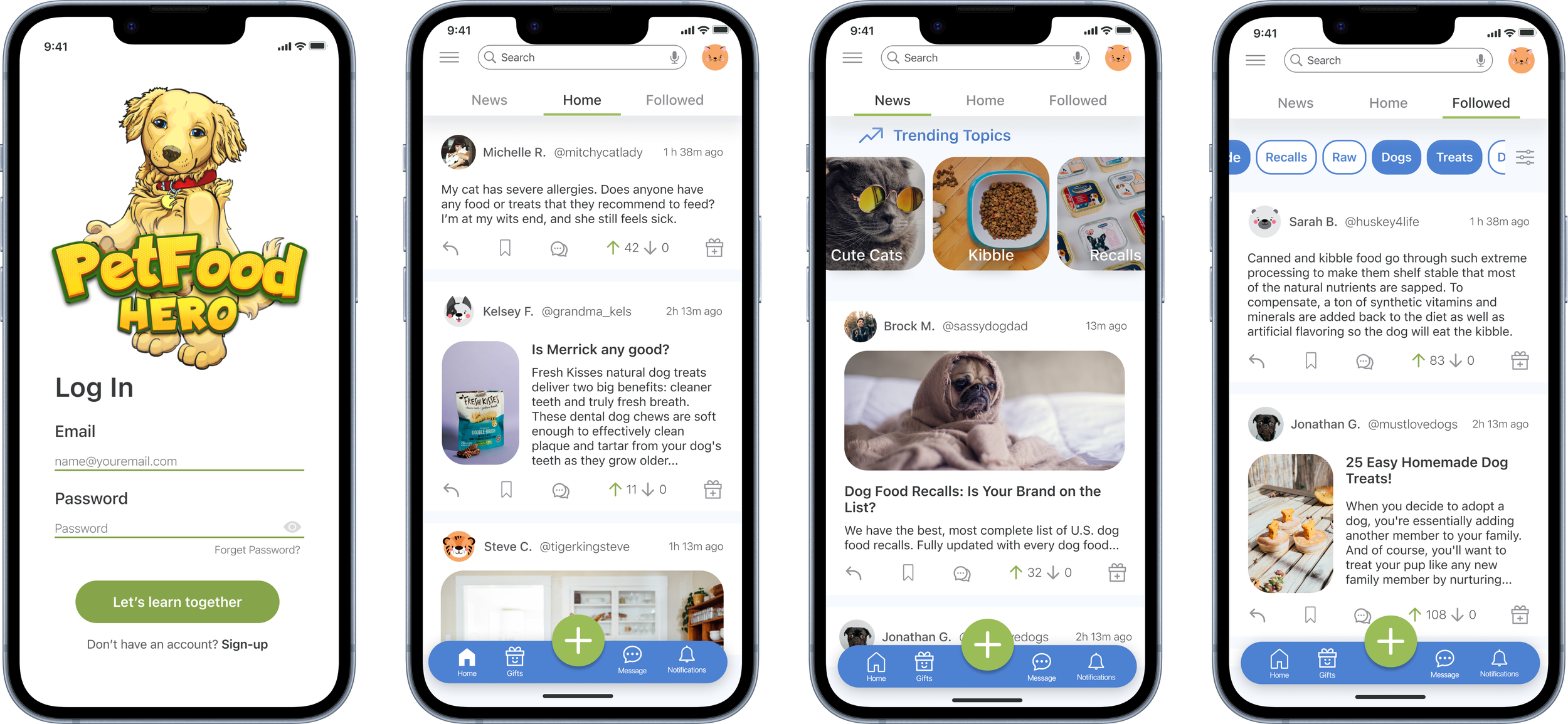
Using a high-fidelity prototype, I led two rounds of usability testing to validate the product concept. Insights gathered from an initial cohort of five pet owners—recruited through social channels aligned with our target personas—informed a refined design iteration, which was subsequently tested with five additional participants.
__ Reflection
The Good
User enthusiasm was immediate and strong — testers consistently expressed a desire for the product to exist, with many asking when it would launch. The interface was validated as approachable, informative, and appropriately scoped, striking the right balance between depth and accessibility.
The Bad
Usability testing surfaced two key friction points: feed labeling that created confusion around navigation, and a gift-giving mechanic — designed to incentivize quality contributions — that wasn't consistently driving intended behavior.
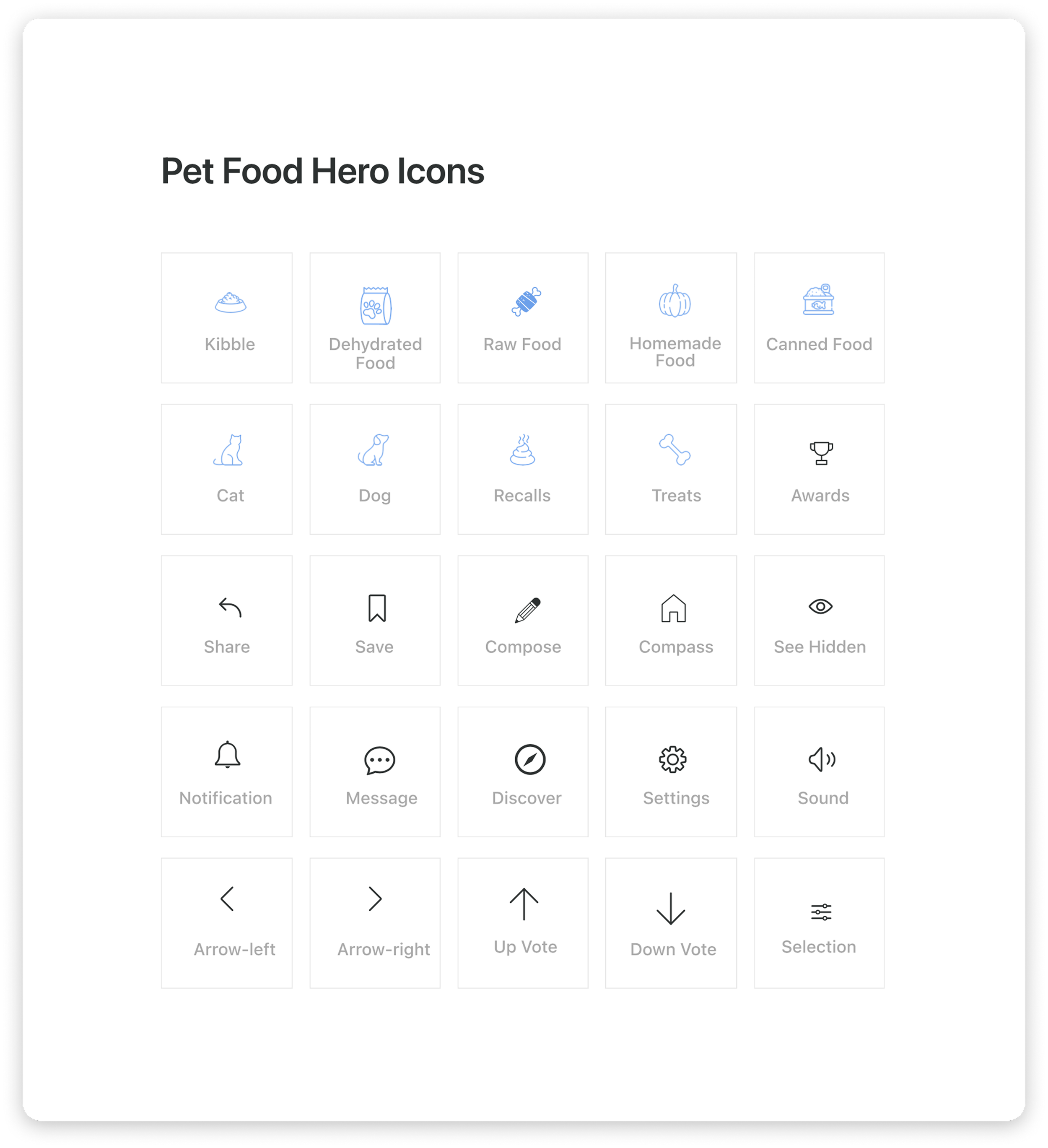
A second round of testing informed a well-researched icon and nomenclature update, which significantly improved feed clarity. The gifting mechanic showed improvement but required further iteration.
The Takeaways
Pet Food Hero successfully addressed a clear and urgent user need — a single, trusted destination for pet nutrition research, community support, and reliable information. Validation confirmed that pet owners actively seek trusted voices, and the platform's content discovery and community architecture delivered that.
The gifting and gamification mechanic, while not fully adopted by all users, remains a critical design decision. Upvoting, downvoting, and reward-based engagement are essential to surfacing the community's most credible and valuable voices — a core pillar of the platform's long-term trust model.
Additional Case Studies
App Redesign + Personalization
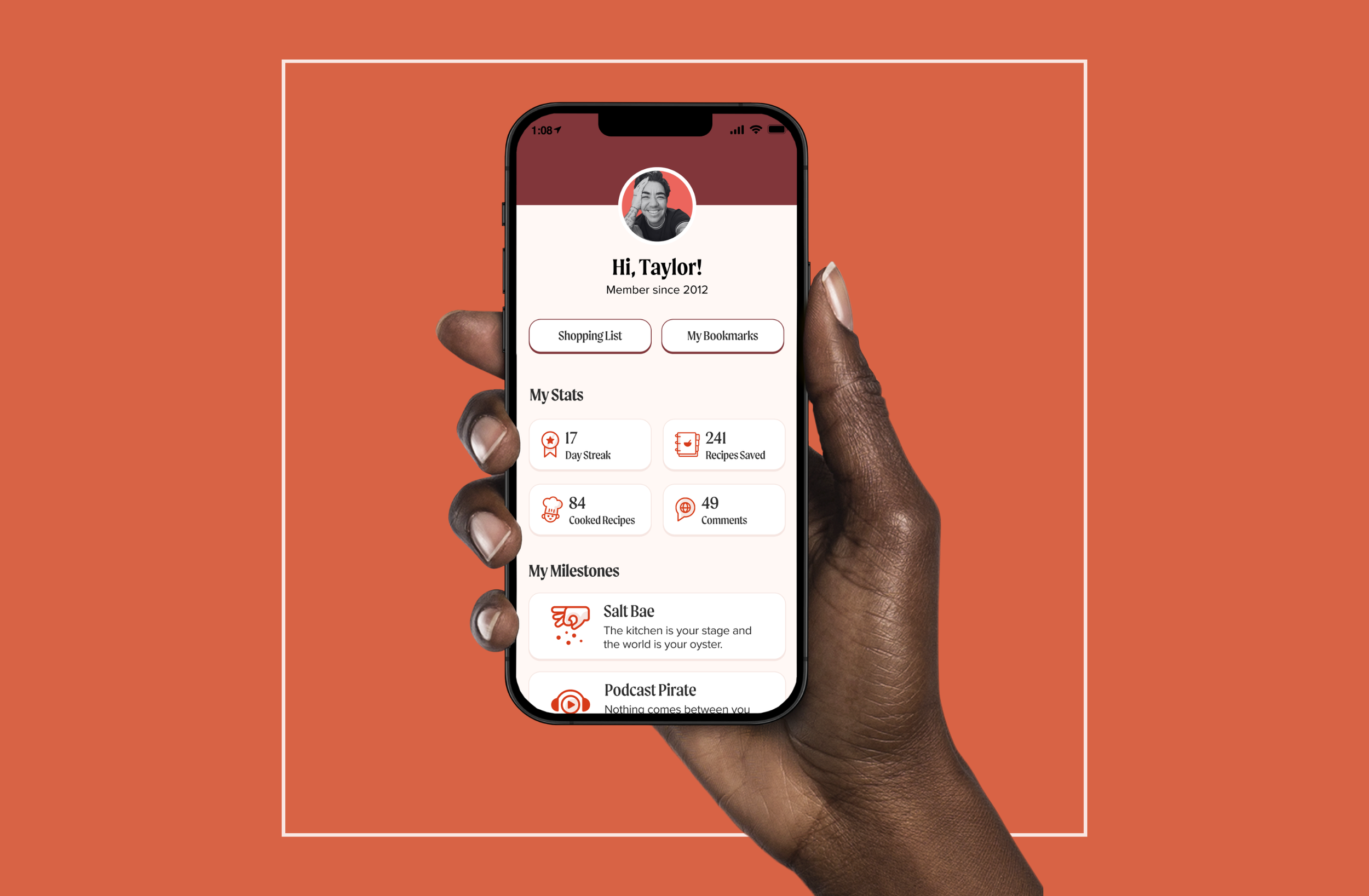
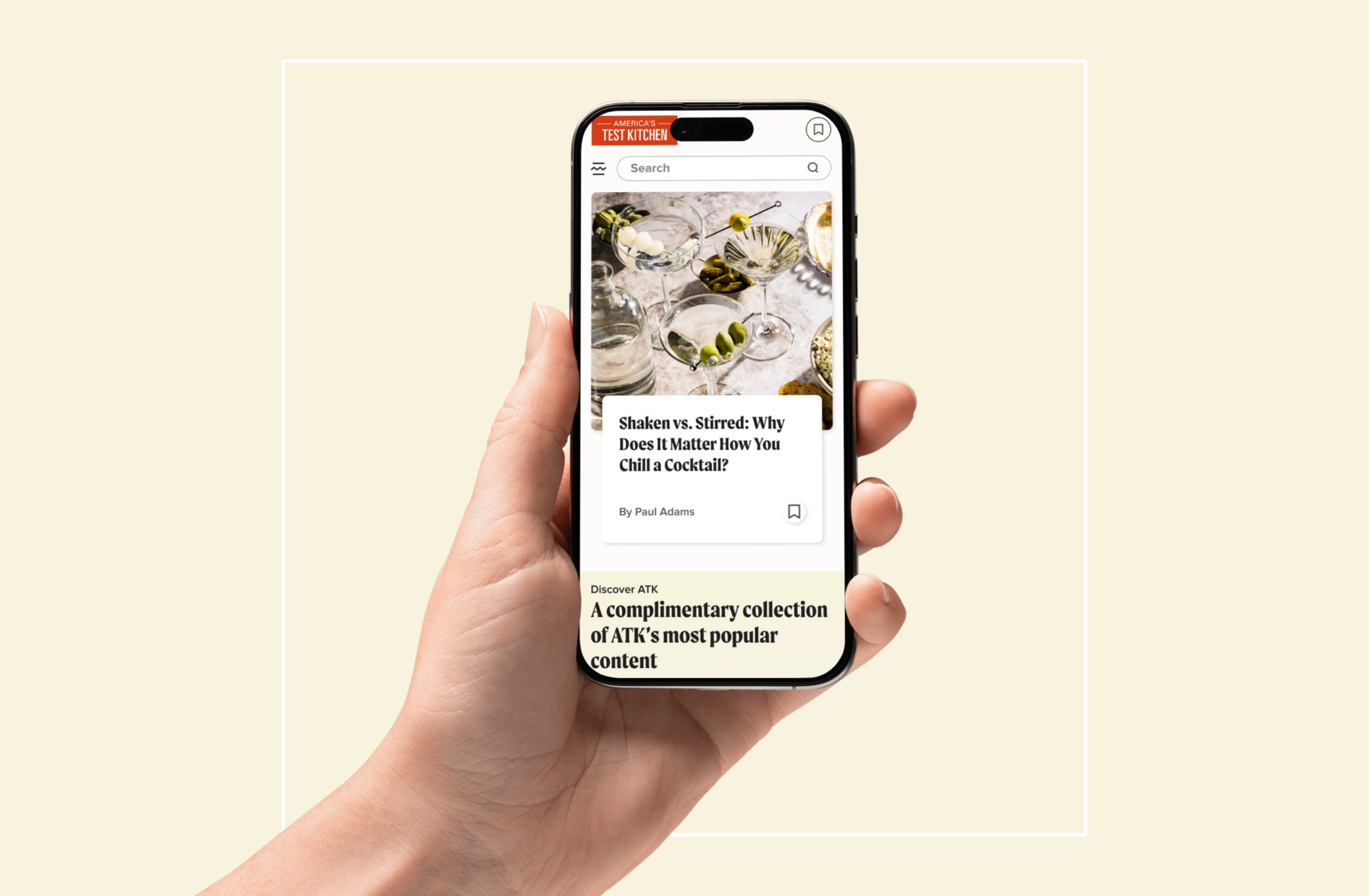
Spearheaded a full app redesign initiative, inheriting a developer-built product with a 2.6 App Store rating, elevated churn, and declining subscriber growth — redefining the experience to stabilize retention and reignite digital acquisition.
Onboarding + Acquisition Strategy
Define and drive the product vision and experience strategy for free trial and onboarding flows, establishing tone and design principles that minimize friction and accelerate new user activation.